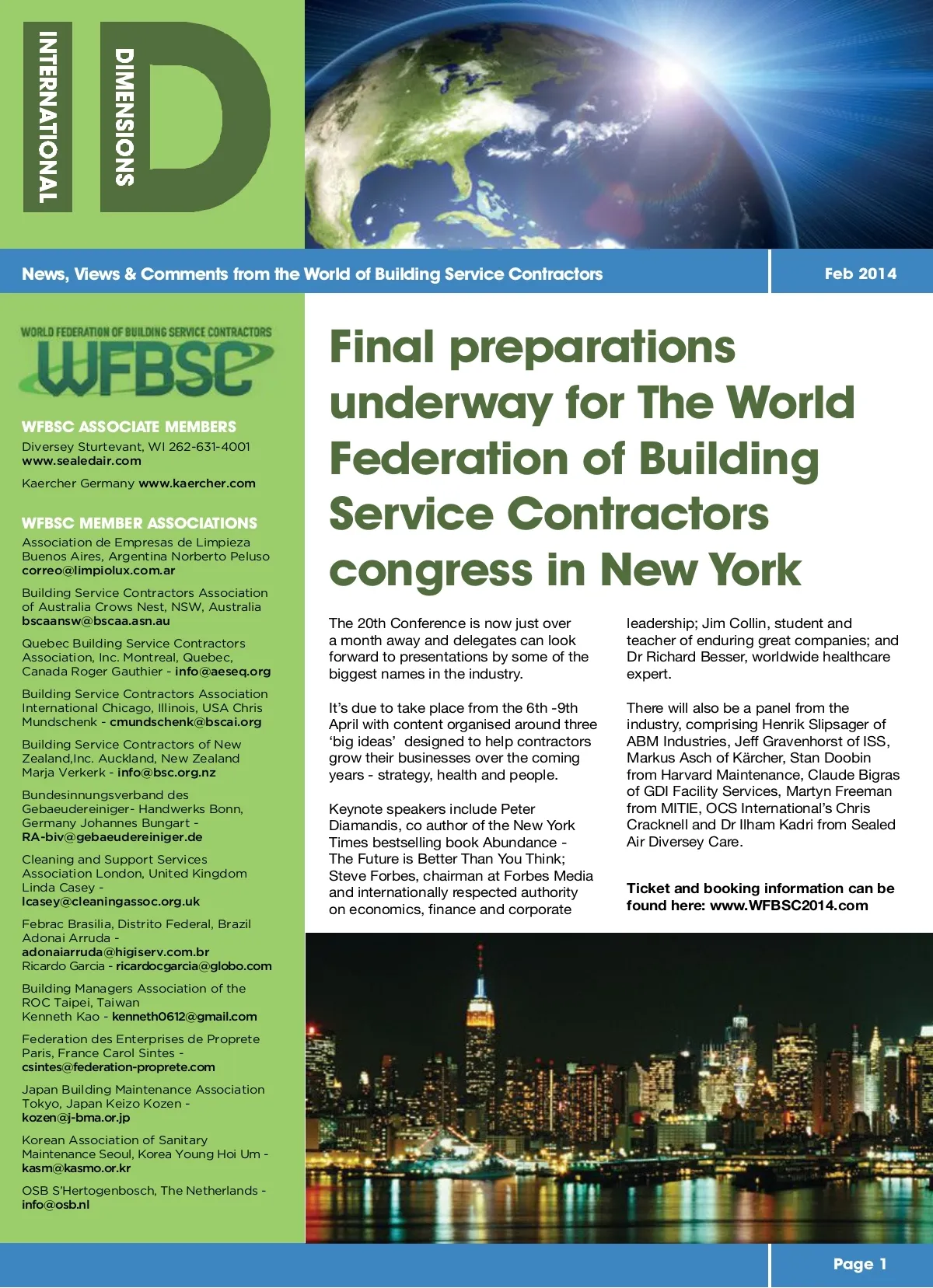
Ecolab Launches Nexa™ Hand Hygiene Platform to Help Reduce the Spread of Infectious Diseases A new hand hygiene dispensing platform that makes it easier to promote good hand-washing practices and reduce the spread of infectious diseases has been introduced by Ecolab. Named Nexa™ this simple to use platform can dispense an array of Ecolab hand hygiene products, which, it is hoped, will reduce the spread of infectious diseases in healthcare, foodservice, hospitality, long-term care and commercial facilities. According to the Centres for Disease Control and Prevention (CDC), an estimated 80 percent of all infections are transmitted by hands, and hand washing is the single most effective way to reduce the spread of infectious diseases. Failing to suficiently wash one’s hands signiicantly contributes to the spread of foodborne illness outbreaks and also to the 1.7 million hospital-acquired infections that occur in the U.S. each year. A June 2013 study by Michigan State University found that only ive percent of those observed in public washrooms washed their hands long enough to remove dangerous bacteria. “The reasons for poor hand hygiene can range from individuals not fully understanding the health risks to feeling they are too busy,” said Dr. Andy Cooper, vice president of Research, Development & Engineering at Ecolab. “We’ve designed Nexa to deliver on key aesthetic and functionality needs, while being lexible and simple to use in our varying customer locations. Nexa also incorporates key design elements that meet our customers’ unique needs, such as creating an antimicrobial push bar for the manual dispenser to help inhibit the growth of bacteria, mold and mildew.” Depending upon the product used, Nexa dispensers can be installed near commercial kitchen sinks, in restrooms and public spaces of commercial buildings, and at nurses’ stations, in patient rooms and in public areas of healthcare facilities. A new campaign has been launched aimed at persuading consumers to lower laundry wash temperatures Families across Europe are being asked to wash at lower temperatures in a bid to help the environment and protect over stretched household budgets Headed by AISE (International Association for Soaps, Detergents and Maintenance Products), the ‘I prefer 30°’ campaign is running in ive countries (Belgium, Denmark, France, Italy & UK) in coordination with each national association. WWW.IPREFER30.EU The campaign is asking people to consider the temperature at which they are washing their laundry in a bid to drive down the average wash temperature of domestic laundry washing. “This change is not only one which is good for the environment, but clothes will last longer and it will help reduce the amount of energy consumed through electricity. It’s a simple and easy gesture which can really make all the difference,” the campaign literature states. Washing at 30°C is ine in most domestic circumstances. However, it is necessary to wash at 60°C for heavy soiling, for example, or when someone is ill. In addition, items that are used in the kitchen during food preparation and uniforms of healthcare workers should all be washed at 60°C with an active oxygen bleach detergent or additive. In the UK detergent products are represented by UKCPI (UK Cleaning Products Industry Association). The campaign in 2014 will see members of the public encouraged to consider laundry washing at a lower temperature with help from consumer partners including the fashion/ textile industry, retailers, appliance manufacturers, and other interested stakeholders. It will feature in magazine ads, web ads and Point of Sale material at participating outlets in the coming months. Page 2
CMM – Archives 2014 WFBSC Brochure: 21